
Turning Blind Upgrades into Bigger Sales
A practical guide for retailers on increasing average order value by promoting blind upgrades such as motorisation, product layering, and premium linings based on real customer needs.

Turning Blind Upgrades into Bigger Sales
Selling premium upgrades should feel less like a sales tactic and more like a well-timed solution. Imagine a customer walking in for a simple roller blind, only to reveal, mid-conversation, their real worry: the neighbour’s garden lights shining through the bedroom at night. Suddenly, this is not about price. It is about sleep, comfort, and control. When retailers listen first and recommend second, upgrades naturally become the obvious choice rather than an extra cost.
Today’s customers are navigating a careful balance. Budgets matter, but so does value. Many are embracing DIY renovations, refreshing rooms one project at a time. They are not always looking for the cheapest option; they are looking for the one that feels worth it. A well-made blind that lasts longer, controls light more precisely, or improves insulation becomes an investment, not a splurge. Framing upgrades in this way helps customers see long-term benefits instead of short-term price tags.
Start with the Need, Not the Product
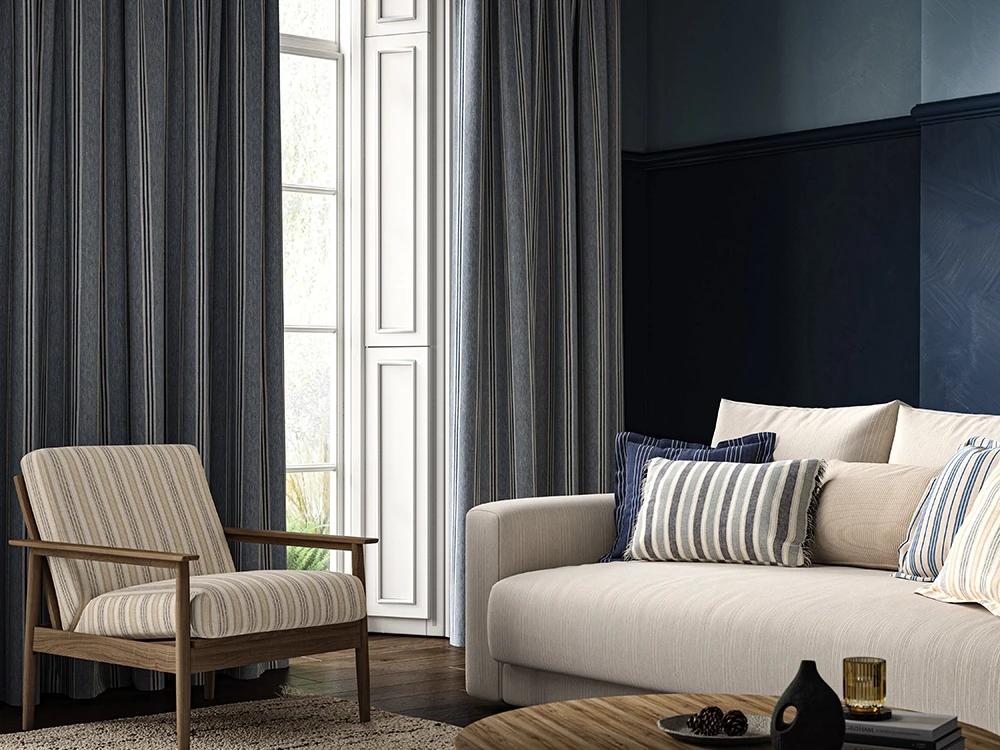
Customers rarely arrive asking for a feature. They arrive with a problem. Glare on a TV screen, lack of privacy, a room that feels cold in winter or too bright in summer. The role of the retailer is to translate those concerns into product solutions. That “affordable roller blind” request may actually be a call for better light control, privacy, or thermal comfort. Once the true need is understood, suggesting a blackout lining, a Roman blind, or layered window dressing feels helpful, not pushy.
A simple rule emerges: listen for the lifestyle clue hidden behind the product request. The more accurately you interpret the real need, the easier it becomes to introduce premium options as logical improvements rather than upgrades.
Motorisation: Comfort That Sells Itself
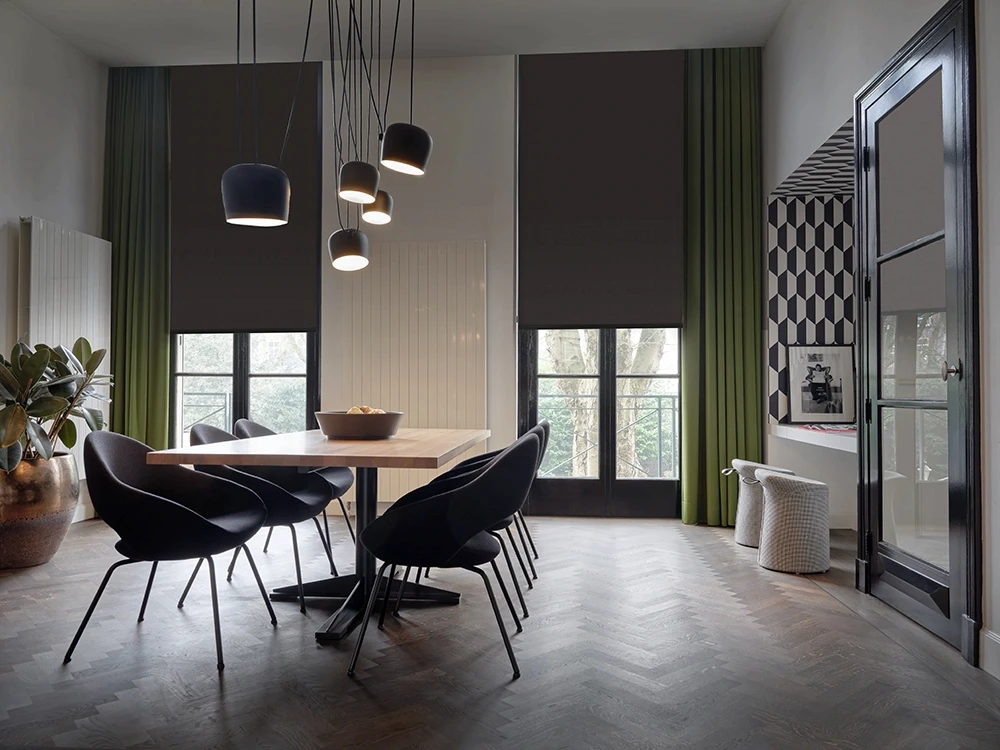
Smart homes have changed expectations. Customers are increasingly comfortable with automated lighting, heating, and security, so motorised blinds fit naturally into that ecosystem. The story is no longer about a mechanism; it is about daily comfort. Blinds that open with the sunrise, close during the hottest part of the day, or adjust while the homeowner is away create a sense of effortless living.
Motorisation also brings clear practical benefits. Timers enhance security by making a home feel occupied. Automated adjustments help regulate indoor temperature, reducing reliance on heating and cooling. For large or hard-to-reach windows, motorisation is simply more convenient. When presented as a lifestyle upgrade, many customers begin to picture how seamlessly it would fit into their routine.
Product Layering: Designing for Experience
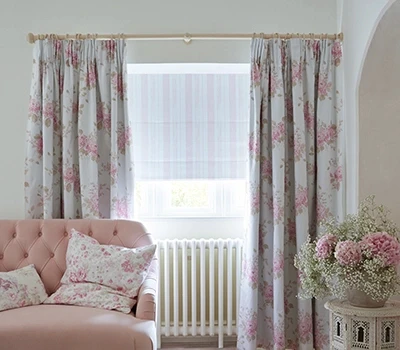
Another growing trend is layering blinds and curtains to enhance both style and functionality. A single window can serve multiple purposes throughout the day, and layered solutions support that flexibility. A dim-out roller blind paired with blackout curtains can transform a bright living room into a cosy movie space within seconds. Roman blinds combined with curtains add softness, depth, and a more luxurious finish.
This approach shifts the conversation from replacement to enhancement. Customers begin to see window furnishings as part of a complete interior design scheme rather than standalone items. The result is not just a higher order value, but a more satisfying final look that feels thoughtfully curated.
Fabric and Lining: Small Choices, Big Impact

Fabric and lining are often overlooked, yet they have one of the most noticeable effects on performance and longevity. A blackout lining improves light control, protects colours from fading, and helps curtains and Roman blinds hold their shape beautifully over time. Water-resistant options for roller blinds offer durability in kitchens and bathrooms where moisture can otherwise cause damage.
These upgrades are easy for customers to understand because the benefits are tangible. They can feel the difference in weight, see the improved drape, and experience the enhanced comfort immediately. Positioning lining and fabric upgrades as quality enhancers rather than technical add-ons makes them an intuitive choice.
Presenting Premium Options the Right Way
The key to increasing average order value is confidence in the recommendation process. Customers respond best when upgrades are presented as solutions that improve their everyday living. Instead of listing features, focus on outcomes: better sleep, improved privacy, lower energy use, or a more polished interior.
A simple three-step approach keeps conversations clear and customer-focused:
Ask about lifestyle and how each room is used.
Translate those insights into practical benefits.
Present premium options as solutions that directly address those needs.
When retailers guide customers through this journey, upgrades feel purposeful and reassuring. The conversation shifts from Do I need this? to Why wouldn’t I choose this? And that is where higher value orders happen naturally, built on trust, relevance, and a genuinely better result for the home.


